
Mortgage Insider September 2025
The Fed Quandary — The Future of Interest Rates
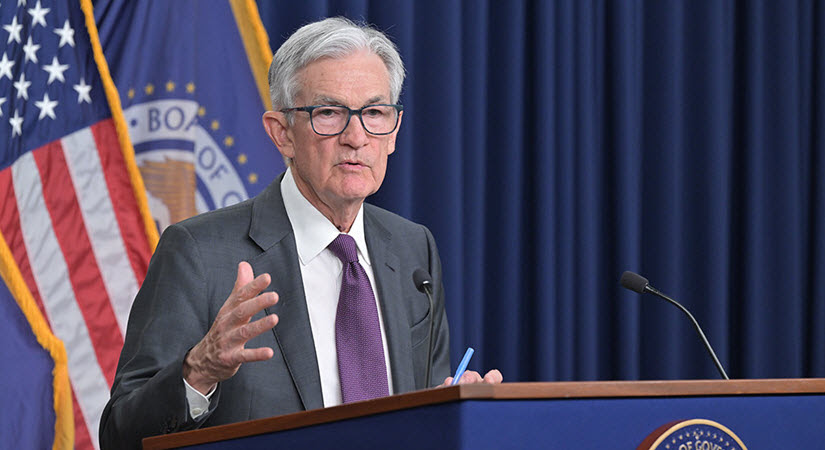
The Trump administration is pushing hard for lower short-term interest rates, with seemingly little regard for the long end of the yield curve. That puts the Federal Reserve, led by Jerome Powell, in a difficult position: balancing inflation risks against a weakening labor market. It’s also important to remember that Powell has just one vote, alongside the other Fed members, in setting policy.
On one side, the Fed worries tariffs could eventually fuel inflation. On the other, the job market is weakening: for the first time since April 2021, there are more job seekers than job openings. That imbalance has become the Fed’s greater short-term concern. A rate cut at the September meeting is now almost certain, with another one likely before year-end 2025.
So far, tariffs haven’t driven prices higher—but many analysts believe that’s only because businesses stockpiled inventory. As those reserves are depleted, the inflationary effects of tariffs may surface. Adding to the uncertainty, the Supreme Court is currently reviewing the legality of tariff policy. If upheld, higher prices in the U.S. are almost inevitable.
The labor market is even more worrisome. Advances in AI are rapidly replacing repetitive back-office roles, reshaping employment in ways we’re only beginning to understand. We are in the earliest stages of a transformation that carries profound economic and social consequences.
A crucial note on Fed policy: the Fed Funds rate is the overnight rate banks charge each other to meet reserve requirements. Mortgage rates often move in the same direction—but not always. For example, when the Fed cut rates twice in late 2024, mortgage rates spiked, as markets feared higher inflation. Since investors already expect a September rate cut, mortgage rates may actually rise after the Fed moves.
In recent weeks, the yield curve has steepened sharply: short-term yields are falling, while long-term Treasury yields are climbing. Markets are signaling two things at once—anticipating Fed cuts, but also bracing for longer-term inflation and a weaker U.S. dollar.
This dynamic is deeply troubling given America’s fiscal position. With $37 trillion in debt, the U.S. now spends about 20% of GDP on interest payments—and that share is rising every year. No president has reduced the deficit since the Clinton era of 1998–2001. If the U.S. is to maintain its global leadership, addressing this debt spiral must become a bipartisan priority.